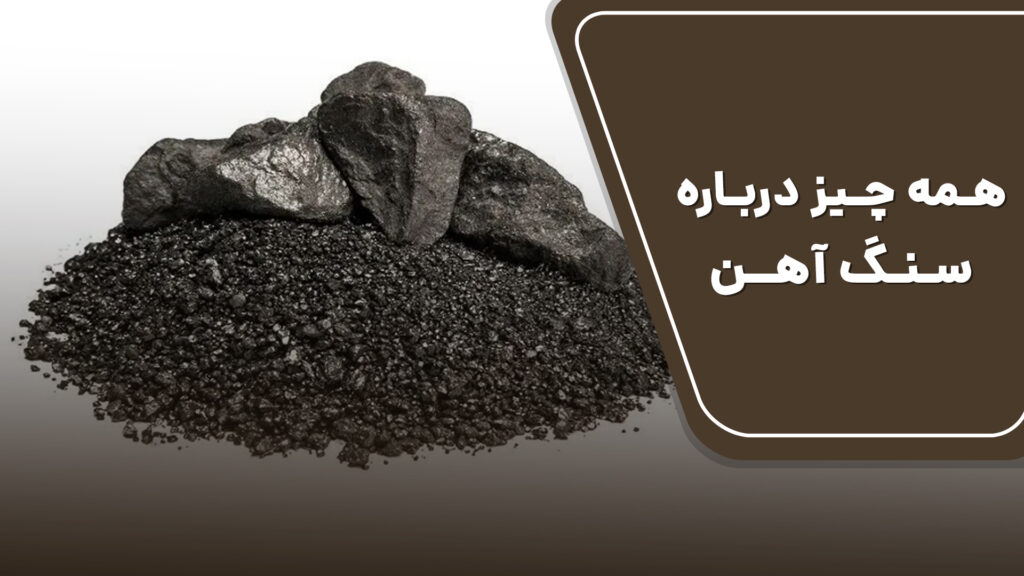
Iron ore is the primary raw material in the steelmaking industry and forms the foundation of the steel value chain. The quality of iron ore directly impacts production efficiency, energy consumption, final product quality, and overall operating costs.
At our company, iron ore sourcing and processing are carried out with a strong focus on stringent quality standards and maximum operational efficiency, ensuring a stable and reliable feedstock supply for sustainable steel production.
The Role of Iron Ore in Steel Production
After extraction, iron ore undergoes crushing, grinding, and beneficiation processes to produce iron ore concentrate. This concentrate is subsequently processed in:
Pelletizing plants, where concentrate is agglomerated into iron ore pellets for use in ironmaking processes.
Or, in certain cases, through agglomeration and sintering processes to produce sinter feed suitable for blast furnace operations.
where it is prepared as feed material for blast furnace (BF) operations or direct reduction (DR) units.
In the steel production route, iron ore is converted into metallic iron through two primary process pathways:
Blast Furnace (BF) – producing molten hot metal (pig iron) for subsequent steelmaking operations.
Direct Reduction (DR) – producing sponge iron, also known as Direct Reduced Iron (DRI), as a solid metallic feedstock for electric steelmaking
The Importance of Iron Ore in the Sustainable Development of the Steel Industry
In light of global efforts to reduce carbon emissions, optimizing iron ore quality and enhancing process efficiency play a critical role in lowering energy consumption and improving the environmental performance of steel production operations.
Investment in advanced beneficiation technologies and responsible mineral resource management is essential to ensuring a sustainable future for the steel industry.