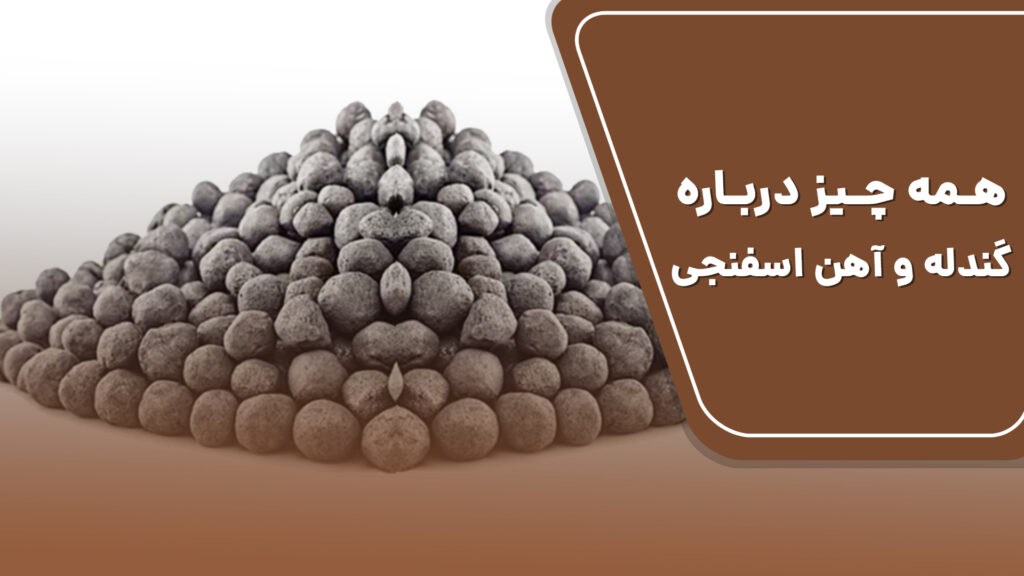
Iron ore pellets are the end product of the pelletizing process, in which ultra-fine iron ore concentrate particles are agglomerated into uniform, dense, and mechanically robust spherical pellets.
These pellets serve as a primary feedstock in the steel production value chain and are utilized both in blast furnace (BF) operations for hot metal production and in direct reduction (DR) units for the manufacture of sponge iron (DRI).
Pellets are initially formed as green pellets, which are then subjected to thermal induration (heat hardening) to achieve the required mechanical strength and abrasion resistance.
This heat treatment ensures that the pellets can withstand handling, transportation, storage, and furnace charging without significant degradation or fines generation.
What is Pelletizing?
Pelletizing is an industrial agglomeration process in which iron ore fines and ultra-fine concentrate particles are formed into spherical pellets, typically ranging from 8 to 16 mm in diameter.
This process enhances the physical properties of the feed material, improves bed permeability within the furnace, and optimizes overall ironmaking efficiency.
Types of Iron Ore Pellets
🔹 Blast Furnace (BF) Pellets
Designed with a chemical composition optimized for efficient hot metal production in blast furnace operations.
Typically contain fluxing agents to improve slag formation and optimize metallurgical performance in the blast furnace.
🔹 Direct Reduction (DR) Pellets
Characterized by a higher iron content, typically exceeding 66% Fe, to ensure optimal reduction efficiency in direct reduction processes.
With lower phosphorus and sulfur levels to meet stringent quality requirements for direct reduction and high-grade steel production.
Specifically engineered for efficient reduction in direct reduction units to produce high-quality sponge iron (DRI).
The direct use of iron ore fines in furnaces is impractical due to issues such as:
Excessive pressure drop across the burden bed
Reduced gas permeability within the furnace bed
Increased dust generation and material losses
Decreased reduction efficiency and overall metallurgical performance
Therefore, the direct use of fines is operationally unfeasible; as a result, pelletizing is considered a critical step in the steel production value chain.