Heavy I-beam

Heavy I-beam The most widely used type of beam in the construction industry is the wide-wing beam, which has a shape similar to an H. For this reason, it is also known as a "hash" beam. This type of profile is produced in light and heavy versions, which have different uses. H beams, with a wider wing design, are stronger and heavier than conventional models. This type of beam is usually used in the construction of columns, bridge beams, buildings and engineering structures. The height of heavy beams is equal to their width. The web thickness of this type ranges from 6 to 19 mm and the flange thickness is 10 to 36 mm, which is thicker than the light type. As a result, it has greater resistance and is also more expensive.
مطالعه

Hot Rolled Steel Sheet

Hot Rolled Steel Sheet One of the most widely used types of steel sheets is hot-rolled steel sheet (commonly referred to as black sheet in the market). This type of sheet is informally known as “black sheet” due to its dull, non-reflective surface appearance, which results from the formation of mill scale during the hot-rolling process. Its typical surface color is matte gray. Hot-rolled steel sheet (commonly known as black sheet) is produced through the hot rolling process and should not be confused with hot-dip galvanized steel.This type of steel is typically manufactured from grades such as ASTM A36 and ASTM A1011. During production, steel slabs are heated in a reheating furnace to temperatures of approximately 1,200–1,280°C.In the next stage, the heated material passes through a series of rollers where the rolling process reduces its thickness to the required dimensions. During this stage, descaling is performed to remove surface scale (iron oxide) formed at high temperatures.Finally, after passing through finishing stands and a run-out cooling table, the steel strip is coiled and formed into hot-rolled steel coils. Applications of Hot-Rolled Steel Sheet (Black Sheet)Hot-rolled steel sheet (black sheet) is used in various industries. Some of its most common applications include the following:automotive body structureautomotive floor pan steel sheeWelded pipesTypes of structural steel sectionsTanker fabricationship construction
مطالعه

Industrial profile

Industrial profile Industrial profiles, also known as heavy profiles, are made from various materials and are used in both construction and industrial applications. Industrial profiles fall under the category of built-up (compound) profiles and are formed by combining hot-rolled and cold-formed sections. These profiles are produced in a variety of shapes, each designed for a specific use. Key advantages of industrial profiles include low weight, high strength, and durability—remaining resistant to deterioration over time, even in moist environments or near water. Industrial profiles are used in large steel structures, including the construction of bridges, large-scale advertising billboards, military industries, and the manufacturing of industrial equipment, among others. They are also used in structures built in factories and production workshops, where different parts require steel columns and box sections.
مطالعه
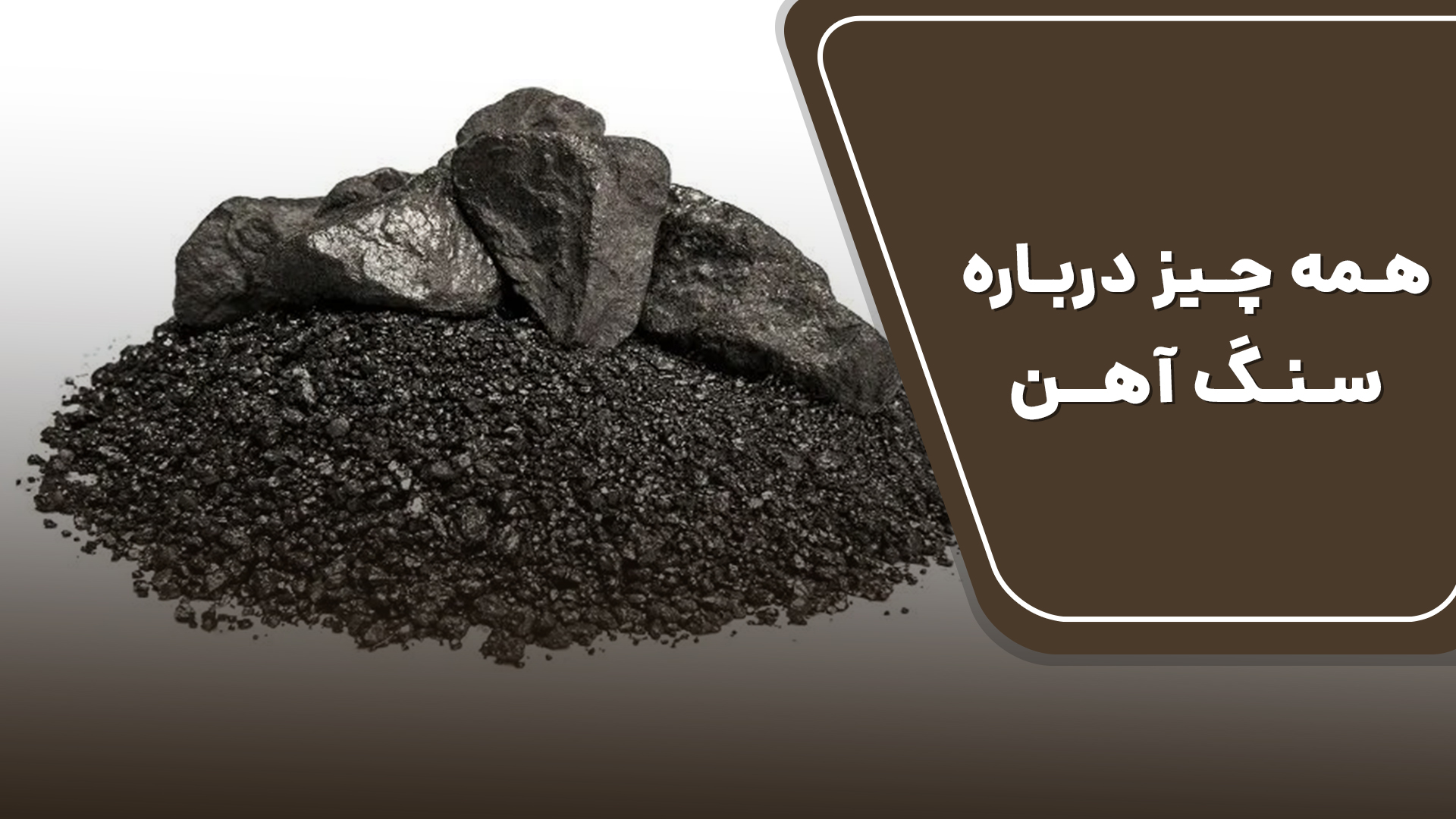
Iron ore

Iron ore

Iron ore is the primary raw material in the steelmaking industry and forms the foundation of the steel value chain. The quality of iron ore directly impacts production efficiency, energy consumption, final product quality, and overall operating costs.At our company, iron ore sourcing and processing are carried out with a strong focus on stringent quality standards and maximum operational efficiency, ensuring a stable and reliable feedstock supply for sustainable steel production. The Role of Iron Ore in Steel ProductionAfter extraction, iron ore undergoes crushing, grinding, and beneficiation processes to produce iron ore concentrate. This concentrate is subsequently processed in: Pelletizing plants, where concentrate is agglomerated into iron ore pellets for use in ironmaking processes.Or, in certain cases, through agglomeration and sintering processes to produce sinter feed suitable for blast furnace operations.where it is prepared as feed material for blast furnace (BF) operations or direct reduction (DR) units.In the steel production route, iron ore is converted into metallic iron through two primary process pathways:Blast Furnace (BF) – producing molten hot metal (pig iron) for subsequent steelmaking operations.Direct Reduction (DR) – producing sponge iron, also known as Direct Reduced Iron (DRI), as a solid metallic feedstock for electric steelmaking The Importance of Iron Ore in the Sustainable Development of the Steel IndustryIn light of global efforts to reduce carbon emissions, optimizing iron ore quality and enhancing process efficiency play a critical role in lowering energy consumption and improving the environmental performance of steel production operations.Investment in advanced beneficiation technologies and responsible mineral resource management is essential to ensuring a sustainable future for the steel industry.
مطالعه

Iron Ore Concentrate

Iron ore concentrate is one of the most critical products derived from iron ore beneficiation and a key raw material in the steel production value chain. It is produced through crushing, grinding, and the removal of impurities from raw iron ore, resulting in a high-grade, fine powder supplied to steelmaking industries.Today, the production and utilization of iron ore concentrate play a fundamental role in enhancing operational efficiency, reducing energy consumption, and improving the overall quality of steel products. What is Iron Ore Concentrate?Iron ore concentrate is a high-grade product obtained through the beneficiation and upgrading of raw iron ore. During this process, gangue materials and undesirable elements such as silica, phosphorus, and sulfur are substantially removed, resulting in an increased iron content and improved metallurgical quality. Iron ore concentrate typically exhibits the following characteristics:High iron content, typically ranging from 65% to 69% FeExtremely fine particle size, typically below 45 micronsDark gray to black coloration, characteristic of high-grade iron-bearing mineralsHigh purity with a consistent and homogeneous chemical compositionThese characteristics make iron ore concentrate an ideal feedstock for pellet production and direct reduction processes used in the manufacture of sponge iron (DRI).Applications of Iron Ore Concentrate in the Steel IndustryThe primary application of iron ore concentrate is in the steel industry. It is utilized in the following processes: Production of iron ore pellets through the pelletizing processFeed material for direct reduction (DRI) units in sponge iron productionProduction of iron briquettes, including hot briquetted iron (HBI) and cold briquetted productsSupplying primary feedstock for blast furnace (BF) operations in integrated steel plantsThe use of high-quality iron ore concentrate enhances furnace efficiency, reduces energy consumption, and improves the overall quality and performance of the finished steel.Advantages of Using Iron Ore Concentrate✔ Enhanced productivity and operational efficiency in steelmaking processes✔ Reduced slag volume and waste generation✔ Lower energy consumption in furnaces✔ Improved steel quality and mechanical properties✔ Reduced emissions and minimized environmental impactBy removing a significant portion of impurities, iron ore concentrate plays a crucial role in optimizing production costs and enhancing the environmental performance of steel manufacturing facilities.
مطالعه

Iron ore pellet

Iron ore pellets are the end product of the pelletizing process, in which ultra-fine iron ore concentrate particles are agglomerated into uniform, dense, and mechanically robust spherical pellets.These pellets serve as a primary feedstock in the steel production value chain and are utilized both in blast furnace (BF) operations for hot metal production and in direct reduction (DR) units for the manufacture of sponge iron (DRI). Pellets are initially formed as green pellets, which are then subjected to thermal induration (heat hardening) to achieve the required mechanical strength and abrasion resistance.This heat treatment ensures that the pellets can withstand handling, transportation, storage, and furnace charging without significant degradation or fines generation.What is Pelletizing?Pelletizing is an industrial agglomeration process in which iron ore fines and ultra-fine concentrate particles are formed into spherical pellets, typically ranging from 8 to 16 mm in diameter.This process enhances the physical properties of the feed material, improves bed permeability within the furnace, and optimizes overall ironmaking efficiency. Types of Iron Ore Pellets🔹 Blast Furnace (BF) PelletsDesigned with a chemical composition optimized for efficient hot metal production in blast furnace operations.Typically contain fluxing agents to improve slag formation and optimize metallurgical performance in the blast furnace.🔹 Direct Reduction (DR) PelletsCharacterized by a higher iron content, typically exceeding 66% Fe, to ensure optimal reduction efficiency in direct reduction processes.With lower phosphorus and sulfur levels to meet stringent quality requirements for direct reduction and high-grade steel production.Specifically engineered for efficient reduction in direct reduction units to produce high-quality sponge iron (DRI).The direct use of iron ore fines in furnaces is impractical due to issues such as:Excessive pressure drop across the burden bedReduced gas permeability within the furnace bedIncreased dust generation and material lossesDecreased reduction efficiency and overall metallurgical performanceTherefore, the direct use of fines is operationally unfeasible; as a result, pelletizing is considered a critical step in the steel production value chain.
مطالعه

Light section I-beam

Light section I-beam One type of I-beam is the H-beam, which is produced in both light and heavy versions. In general, an H-beam is a type of section whose flanges are wider than those of other I-beams. For this reason, it offers greater resistance to compression and bending and is most commonly used in the construction of columns, bridges, and beams. The light H-beam is also known as IPBA or HEA. Its height is smaller than its width. In addition, the thickness of its web and flanges is lower than that of the heavy type. The web thickness of this H-beam ranges from ‎55‎ to ‎17 mm17 mm‎, and the flange thickness is approximately ‎88‎ to ‎31 mm31 mm‎. It is also priced lower than the heavy type. تیر آهن معمولا در سایز 6 تا 14 متر تولید می‌ شود و در بازار موجود است. از نظر استاندارد هم در ایران معروفترین آن برای تولید پروفیل‌ های ساختمانی، استاندارد اروپایی است.
مطالعه

Lightweight profile

Lightweight profile In the production of light profiles, also known as furniture-grade profiles, cold-rolled (oiled) sheet is used. These profiles are manufactured through cold rolling, which enables sections to be produced faster and with lower energy and cost, while maintaining acceptable surface quality. Light profiles are produced in accordance with the DIN 2394 and EN 10219-2 standards. Light (furniture-grade) profiles are used in industries such as home appliances, bicycle manufacturing, containers, and furniture production. Angle profiles with flange thicknesses of ‎2020‎ to ‎50 mm50 mm‎, and channels in sizes ‎1010‎, ‎1212‎, and ‎1818‎, are among this type of profiles.Features of Light ProfilesLight profiles have unique characteristics compared to other types of profiles. Some of these features include the following:Various dimensionsHigh formability and flexibilityPlating capabilityAcceptable surface qualityHigh weldabilityHigh accuracy in diameter and thickness
مطالعه

Main Page

Parseh Tejarat Margoun Commerce, Procurement, and TradeActive in the field of domestic and international trade, procurement, and distribution of goods across various industries, relying on experience, an extensive supply network, and a professional approach. Services technical consulation Providing optimized and cost-effective solutions for steel projects Custom manufacturing Custom steel product manufacturing tailored to customers’ specific needs Export of Products Shipping steel products to international markets in full compliance with all relevant standards Support and After-Sales Service Providing after-sales services to ensure customer satisfaction. Equipment Procurement Quality & Performance Guarantee Services technical consulation Providing optimized and cost-effective solutions for steel projects Export of Products Shipping steel products to international markets in full compliance with all relevant standards Equipment Procurement Quality & Performance Guarantee Supply of raw materials Supplying various high-quality raw materials for the steel industry About Our Company  Parseh Tejarat Margou Company, with a strong focus on export, import, and international trade services, is recognized as a reputable player in Iran’s commercial sector. Leveraging professional expertise and an extensive network of domestic and international partners, the company has played an effective role in supplying raw materials, steel products, industrial goods, meat, and other commercial commodities, while contributing to the constructive growth of cross-border trade. Import Services Customs Brokerage Services International Shipping Business Consulting Collaboration Highlights FAQ What is the process for purchasing steel from Parseh Tejarat Margoun Company? The purchasing process at Parseh Tejarat Margoun is handled by phone. To check availability and pricing, please contact our sales team. After you receive the latest stock and price information, if you’d like to proceed, our colleagues will issue and send you a pro forma invoice. We’ll then coordinate the next steps with you, including payment terms, shipping arrangements, and delivery. How is the impact of product weight applied to the final invoice? The weight stated in the pro forma invoice issued by our sales team is recorded in accordance with standard market practice. After the initial payment is made, the order is sent to the preparation stage for dispatch. Next, the exact weight of the shipment is confirmed and recorded on the final invoice. Once the final settlement is completed, customers can receive their goods. Do you offer consultation for more information and purchasing products? Yes. Our consultants and sales experts are committed to providing guidance and support to our valued customers. We’re here to assist you every step of the way until you finalize your purchase. What products do you sell? All types of steel sections are available and offered for sale at Parseh Tejarat Margoun, including various profiles, flat bars, sheets, rebar, box sections, pipes, angles, channels, I-beams, and any other items you may need. At what time of day are product prices determined? As you know, steel product prices are not fixed in advance and change on a daily basis. Prices are typically finalized between 11:00 a.m. and 1:00 p.m. For the latest pricing, please contact our sales experts. What payment methods do you accept? Sales are cash-based, and customers must settle their payment in full before the goods are delivered. Who pays the shipping (freight) cost? The shipping cost is the customer’s responsibility and is paid by the customer How is the shipping cost calculated? The shipping cost is variable and is determined based on several factors, including the destination city, the type of transport vehicle, and the volume and weight of the cargo. How long does shipping take? Delivery time, like shipping cost, varies depending on the destination city and the type of cargo. After review by our experts, the estimated timeframe will be communicated to you.
مطالعه

Meat products

Import of high-quality meat Supply and import of fresh and frozen lamb, veal, and buffalo meat from the most معتبر global sources in full compliance with domestic and international health standards. Import of high-quality meat with Parseh Tejarat Margoon Parseh Tejarat Margoon Company is a reputable importer of fresh (chilled) and frozen lamb, veal, and buffalo meat from Pakistan, India, Russia, CIS countries, Europe, and Brazil. With strong trade relationships and a focus on domestic and international health standards, we supply products in the form of live livestock, carcasses, vacuum-packed cuts, and in various packaging types and weights. Our fair pricing and customer-oriented services make access to healthy and nutritious meat easy. Nationwide delivery in full compliance with all health regulations guarantees product safety. Products گوشت گوسفند Rich flavor and firm texture for traditional dishes. Warm when fresh, cold for safe transport. • Whole carcass (full side): Entire carcass without skin and organs (two shoulders and two legs) – for portioning and preparing various dishes.• Leg: Hind leg, lean and flavorful – ideal for premium kebabs and stews.• Shoulder: Front shoulder and foreleg, economical with less fat – for stews, kebabs, and boiled dishes.• Tenderloin: The soft loin section – for special dishes such as grill or Barg kebab.• Striploin: Along the backbone – suitable for Barg kebab and chops.• Neck: Neck area, tender with bone – for stews, soup, burgers, and patties.• Ribs: Rib section – for rib kebab, shishlik, and BBQ.• Flank: From below the ribs to the leg, fatty – suitable for ground meat and burgers.• Shank: Upper leg or shoulder (shin) – for baghali polo, chelow gosht, and slow cooking. Preserves vitamins and protein when frozen, suitable for long-term use. Same cuts as fresh, durable packaging for long-term storage. گوشت گوساله Fresh veal (warm immediately after slaughter, chilled at 0–4°C) has a tender texture and natural flavor. Ideal for quick consumption, with high protein for family health. Whole carcass (full side): Entire carcass without skin and organs (two shoulders and two legs) – for portioning and preparing various dishes.Leg: Hind leg, lean and delicious – suitable for kebabs, steaks, and slow-cooked stews.Shoulder: Front shoulder and foreleg, with rich texture – for stews, kebabs, and boiled dishes.Tenderloin: The soft middle section of the loin – ideal for steaks, Barg kebab, and premium dishes.Sirloin: Along the backbone – suitable for Barg kebab, steaks, and barbecue.Neck: Neck area, with rich flavor – for stews, soups, and traditional dishes.Ribs: Rib section and surrounding area – for shishlik, rib kebab, and BBQ.Flank: Lower belly and side (flank) – suitable for ground meat, burgers, and stir-fry.Shank: Leg shank – for slow cooking such as stews and braised dishes. Frozen at -18°C for long shelf life without losing nutrients such as iron. Suitable for storage and food industry use. Same cuts as fresh, packed in cartons (various weights).Refrigerator thawing is recommended to preserve texture. گوشت بوفالو​ Leaner than veal, rich in iron and B12. Imported from India. Cuts similar to veal. • Household consumption: Leg (hind leg for kebabs and stews), Tenderloin (loin for steak), Sirloin (along the backbone for Barg kebab).• Industrial consumption: Shoulder (for processed meat products such as sausages), Neck (for burgers and patties), Ribs (for BBQ and rib kebab). Why us? Fair and transparent pricing for all customers . Strong relationships with reputable suppliers Holding valid certifications Optimized vacuum packaging International quality Customers سوالات متداول What types of meat does Parseh Tejarat Margoon Company supply? This company imports fresh (chilled) and frozen lamb, veal, and buffalo meat, and supplies its products in accordance with domestic and international health standards. From which countries are the products sourced? The meats are sourced from Pakistan, India, Russia, CIS countries, Europe, and Brazil, and all import stages are carried out under strict supervision and quality control. In what formats are the products offered? The products are offered as live livestock, whole carcasses, portioned cuts, vacuum-packed, and packaged in various weights tailored to the needs of wholesale and retail customers. Do the products have health certifications? Yes, all products hold valid health certifications from relevant domestic and international authorities and are imported and distributed in accordance with food safety standards. What are the pricing terms? Prices are determined based on current international and domestic market rates and are offered with a fair and competitive approach. For the latest price list, please contact the sales department. News and Articles دسته بندی نشده راهنمای کامل واردات گوشت گرم و منجمد؛ از مبدأ تا سفره مصرف‌کننده در سال‌های اخیر، تأمین پایدار گوشت باکیفیت به یکی از مهم‌ترین دغدغه‌های بازار داخلی تبدیل شده است. واردات اصولی و استاندارد گوشت گرم (سرد) و منجمد، نقش مهمی در تنظیم بازار و تضمین سلامت مصرف‌کنندگان ایفا می‌کند. شرکت پارسه تجارت مارگون با تکیه بر روابط تجاری گسترده و رعایت استانداردهای بین‌المللی، این فرآیند را به‌صورت حرفه‌ای مدیریت می‌کند. انتخاب مبدأهای معتبر کشورهایی مانند پاکستان، هندوستان، روسیه، حوزه CIS، اروپا و برزیل از جمله تأمین‌کنندگان مهم گوشت در بازار جهانی هستند. انتخاب کشتارگاه‌های معتبر و دارای گواهی‌های بهداشتی بین‌المللی، اولین گام در تضمین کیفیت محصول است.  کنترل کیفی و استانداردهای بهداشتی گوشت‌های وارداتی پیش از ارسال، تحت بازرسی‌های دامپزشکی و کنترل کیفی دقیق قرار می‌گیرند. همچنین در بدو ورود به کشور، مجدداً توسط نهادهای نظارتی بررسی می‌شوند تا سلامت و انطباق با استانداردهای داخلی تأیید گردد.  حمل‌ونقل سردخانه‌ای حفظ زنجیره سرد یکی از مهم‌ترین اصول در واردات گوشت است. محصولات در تمام مراحل حمل، در دمای کنترل‌شده نگهداری می‌شوند تا تازگی، بافت و ارزش غذایی آن‌ها حفظ گردد.  تنوع در نحوه عرضه گوشت وارداتی می‌تواند به صورت دام زنده، لاشه کامل، قطعه‌بندی‌شده یا بسته‌بندی وکیوم در اوزان متنوع عرضه شود. این انعطاف‌پذیری باعث می‌شود رستوران‌ها، هتل‌ها، فروشگاه‌های زنجیره‌ای و مراکز پخش بتوانند متناسب با نیاز خود خرید کنند.  نقش واردات در تنظیم بازار واردات هدفمند و برنامه‌ریزی‌شده نه تنها موجب ثبات قیمت می‌شود، بلکه دسترسی مصرف‌کنندگان به گوشت سالم و مغذی را نیز تضمین می‌کند. شرکت پارسه تجارت مارگون با تمرکز بر کیفیت، قیمت‌گذاری منصفانه و خدمات مشتری‌مدار، تلاش می‌کند زنجیره تأمین گوشت را با استانداردی مطمئن و پایدار مدیریت کند. دسته بندی نشده تفاوت گوشت گرم (سرد) و منجمد؛ کدام انتخاب مناسب‌تری است؟ یکی از سوالات متداول در بازار گوشت، تفاوت میان گوشت گرم (سرد) و منجمد است. شناخت ویژگی‌های هرکدام به مصرف‌کنندگان و خریداران عمده کمک می‌کند انتخابی آگاهانه داشته باشند. گوشت گرم (سرد) چیست؟ گوشت گرم که در اصطلاح تخصصی «گوشت سرد» نیز نامیده می‌شود، پس از کشتار در دمای 0 تا 4 درجه سانتی‌گراد نگهداری و منتقل می‌شود. این نوع گوشت: بافت نرم‌تر دارد آماده مصرف سریع‌تر است معمولاً برای مصرف روزانه و رستوران‌ها مناسب‌تر است گوشت منجمد چیست؟ گوشت منجمد در دمای زیر صفر (معمولاً 18- درجه سانتی‌گراد) نگهداری می‌شود. مزایای آن عبارتند از: ماندگاری طولانی‌تر مناسب برای ذخیره‌سازی در حجم بالا ثبات قیمت بیشتر در دوره‌های زمانی مختلف آیا ارزش غذایی متفاوت است؟ در صورت رعایت استانداردهای انجماد و حفظ زنجیره سرد، تفاوت معناداری در ارزش غذایی وجود ندارد. کیفیت نهایی بیشتر به شرایط نگهداری و حمل‌ونقل بستگی دارد. انتخاب مناسب برای کسب‌ وکارها رستوران‌ها و هتل‌ها معمولاً گوشت گرم را برای کیفیت پخت بهتر ترجیح می‌دهند. فروشگاه‌های زنجیره‌ای و مراکز پخش، به دلیل مدیریت موجودی، از گوشت منجمد نیز استفاده می‌کنند. شرکت پارسه تجارت مارگون با تأمین هر دو نوع گوشت گرم و منجمد از مبادی معتبر بین‌المللی، امکان انتخابی متناسب با نیاز بازار را برای مشتریان فراهم کرده است.
مطالعه